
Humankind 2 vs Civilization 7: Key Differences Compared
Compare Humankind 2 vs Sid Meier Civilization VII across 8 core 4X pillars: 6 Eras vs 3 Ages, 70 playable cultures, optional Crossroads, and Earth biomes.
Frequently Asked Questions
How does culture switching differ between Humankind 2 and Civilization 7?
Does Humankind 2 have more eras and cultures than Civilization 7?
Can you borrow traits from other civilizations in Humankind 2?
Which game has a stronger focus on real-world historical geography?
How does tactical combat differ between Humankind 2 and Civilization 7?
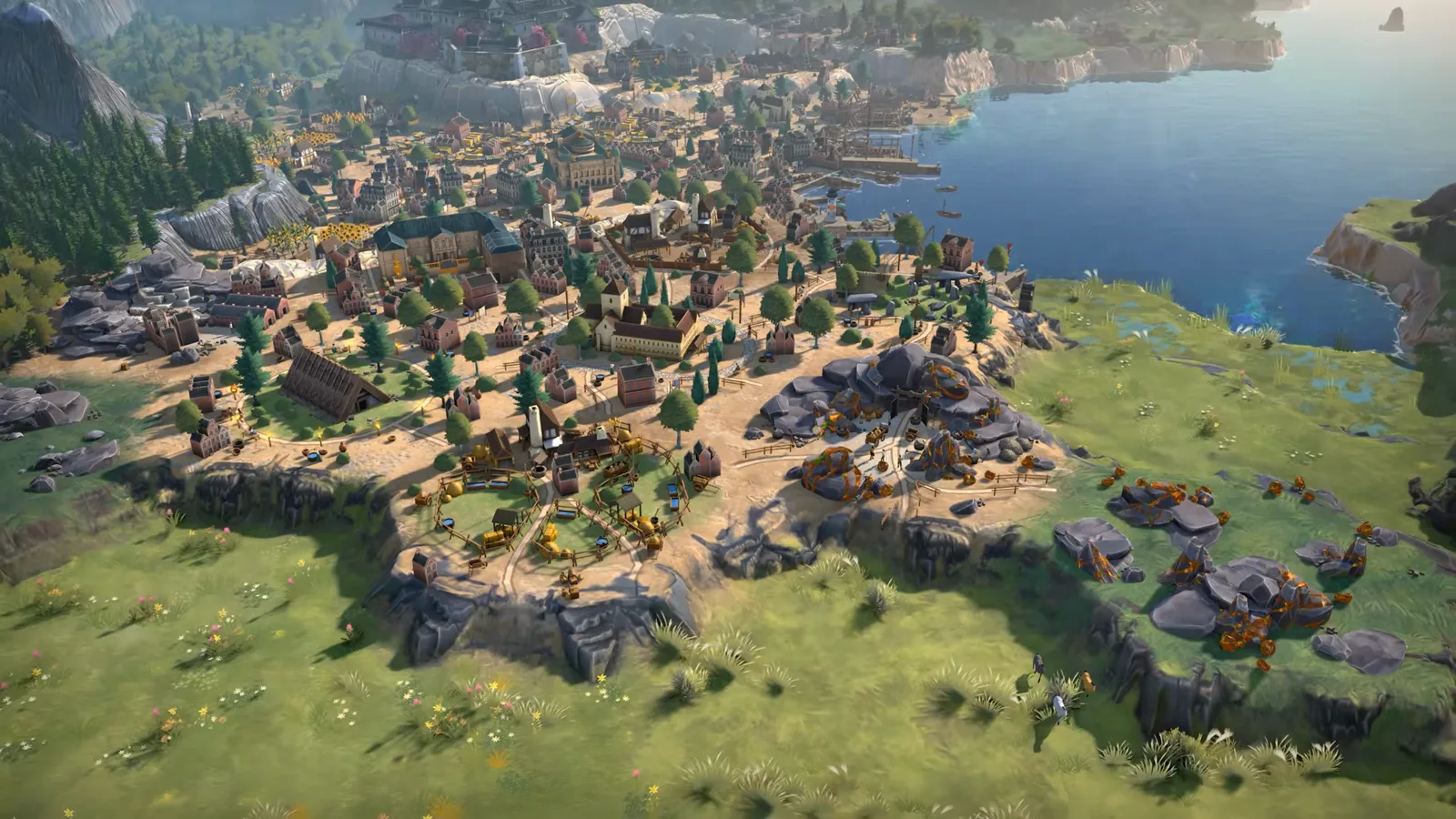
How Do Humankind 2 and Civilization 7 Compare in the Great 4X Reversal?
One of the most fascinating storylines in modern strategy gaming is how Amplitude Studios (Humankind 2) and Firaxis Games (Sid Meier’s Civilization VII) swapped design philosophies and then evolved in opposite directions.
When the original Humankind launched in 2021, its signature hook—evolving your empire through different cultures every era—was bold and experimental, even if players criticized how jarring it felt when AI opponents changed identities five times a match. Years later, Civilization VII adopted mandatory civilization-switching across 3 Ages (Antiquity, Exploration, and Modern), sparking intense debate among long-time 4X fans who wanted to lead a single continuous civilization from 4000 BC to the Space Age.
With the October 15, 2026 Gameplay Overview, Humankind 2 directly answers that community desire: it keeps a rich 6-Era historical timeline and expands its roster to 70 Playable Cultures, but makes switching cultures at the Era Crossroads 100% optional while letting you absorb neighboring traditions through the new Customs system.
How Do Humankind 2 and Civilization 7 Compare Side-by-Side?
| Core 4X System | HUMANKIND™ 2 (Amplitude Studios) | Civilization VII (Firaxis Games) |
|---|---|---|
| Historical Timeline | 6 Distinct Historical Eras | 3 Macro Ages (Antiquity, Exploration, Modern) |
| Launch Civilizations | 70 Playable Cultures in the base game | ~30+ Civilizations split across 3 Ages |
| Culture / Civ Switching | Optional at the Era Crossroads (Stay or Evolve) | Mandatory at every Age transition |
| Unlock Requirements | Common History, Shared Land, or Foreign Contact | Historical/geographic links, Leader affinity, or in-game feats |
| Cross-Culture Syncretism | Yes — adopt neighbor Customs without changing culture | Limited to Attribute trees and Legacy Path traditions |
| Campaign Map Modes | Historical Mode (Real Earth + ~20 First Tales) & Sandbox Mode | Procedural Continents/Archipelago + True Start Location setups |
| Environmental Depth | 8 Biome Adaptation Trees, perishable food, & early/mid-era climate shifts | Navigable rivers, vegetated/rough terrain, & Modern Age crises |
| Tactical Combat | Multi-unit stacks deploying onto elevated hex battlefields | Commander-grouped armies unfolding onto 1-unit-per-tile hexes |
1. How Does Culture Switching Differ Between Humankind 2 and Civilization 7?
The single biggest mechanical contrast between Humankind 2 and Civilization VII lies in how your empire handles the passage of time:
- In Civilization VII, each Age functions almost like a self-contained mini-campaign. When Antiquity ends, a Crisis strikes, wars reset, units upgrade/reposition, and you must select a new Exploration Age civilization while your decoupled Leader remains constant.
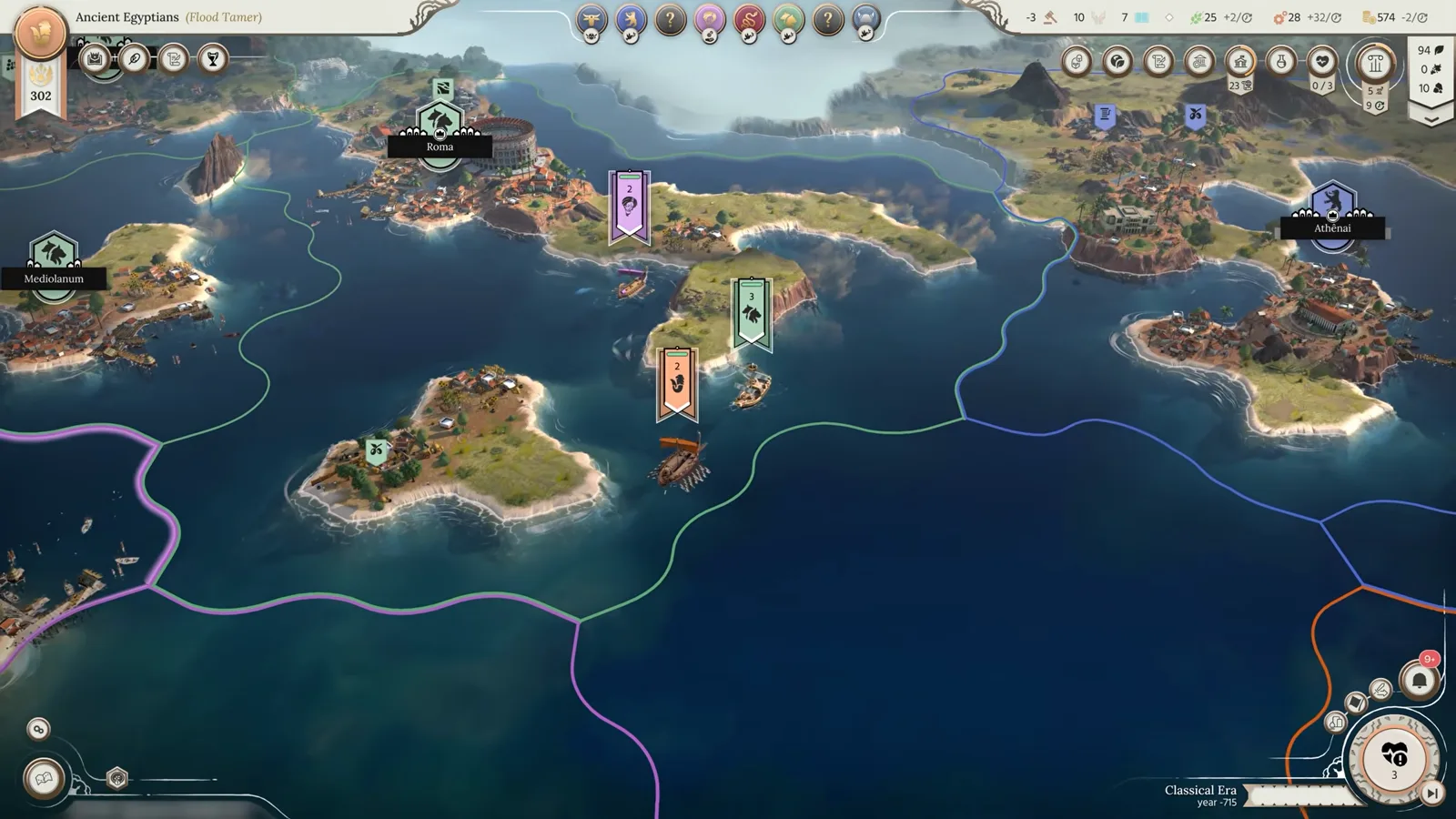
- In Humankind 2, advancing across the 6 Eras brings you to the Era Crossroads without wiping your strategic momentum. If you started via the Flood Tamer myth as the Ancient Egyptians and want to rule as Pharaohs all the way to the modern era, you can stay Ancient Egyptians.
- Furthermore, as explained in our Culture Evolution, Crossroads & Customs Guide, every culture in Humankind 2 has an internal Cultural Progression Tree powered by Culture Points. You can even adopt specific foreign Customs—like recruiting Dogsled Hunters from the Thule of Greenland—without ever giving up your Egyptian identity.
2. How Do Historical Mode & First Tales Compare to Standard 4X Starts?
While most 4X games treat “True Start Location Earth” as an unscripted map mod, Humankind 2 elevates real-world geography into a flagship pillar with Historical Mode:
- Co-Designed with 30+ Historians: Amplitude partnered with over 30 academic historians to ensure regional terrain, flora, fauna, and cultural customs reflect authentic material history.
- ~20 Playable Founding Myths (“First Tales”): Instead of dropping a generic settler on a random tile, Historical Mode opens with regional founding myths like Flood Tamer (taming the Nile’s floods and hippos in Egypt) or Wild Twins (wolf-rescued infants in the forests of Italy).
- Full Sandbox Freedom: Prefer unpredictable exploration? Sandbox Mode sits right next to Historical Mode on the main menu, giving you the best of both worlds.
3. Why Do Biome Adaptations & Perishable Logistics Matter?
Terrain in Humankind 2 is not just a passive yield table. Expanding into any of the 8 Biomes—such as Desert, Forest, Tundra, or Polar—unlocks a dedicated Biome Adaptation Tree.
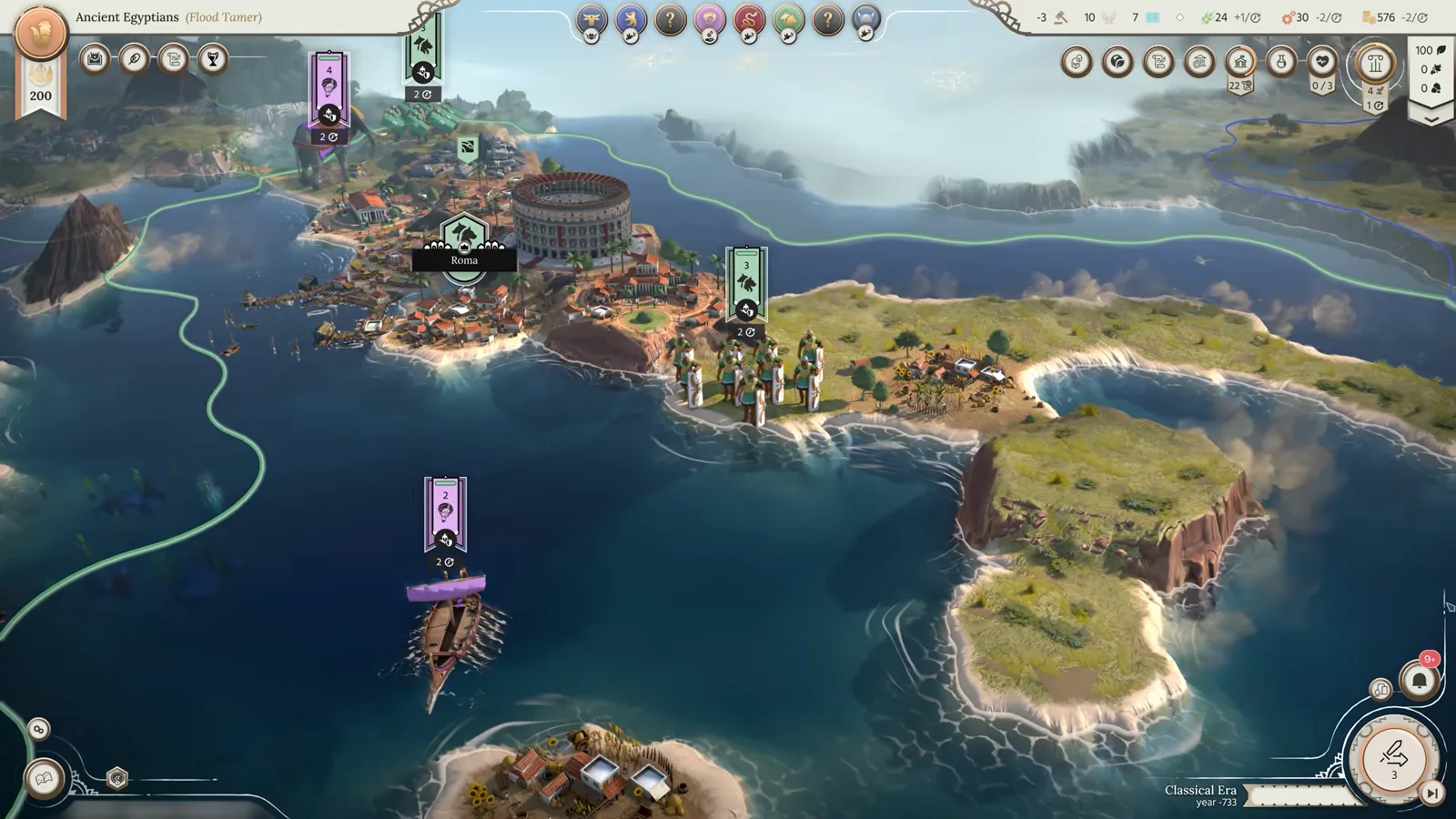
Because food and organic resources are perishable and climate fluctuates naturally across eras, a Mediterranean empire cannot simply march across the Sahara or into Arctic Greenland without first mastering desert Wells and camel logistics or polar Ice Crossing and Long Winter adaptations. Combined with Amplitude’s signature elevated hex battlefields and river-crossing choke points, geography dictates grand strategy on every single turn.
Ready to test these mechanics yourself before the 2027 launch? Check our Humankind 2 Insiders Playtest Sign-Up & System Requirements Guide!
Official Walkthrough Videos

Related Chronicles
cultures
Humankind 2 Cultures List: All 70 Civilizations & 6 Eras
Complete list of confirmed Humankind 2 cultures across all 6 historical eras, including Ancient Egyptians, Mycenaeans, Carthaginians, Rome, Abbasids, and Thule.
mechanics
Humankind 2 Biomes, Climate Change & Adaptations Guide
Complete guide to all 8 Biomes in Humankind 2: Desert, Forest, Tundra, and Polar Adaptation Trees, perishable food logistics, and climate change survival.
mechanics
Humankind 2 Culture Evolution, Crossroads & Customs Guide
How do Culture Evolution, the Era Crossroads, and Customs work in Humankind 2? Master Culture Points, Legacy Traits, Common History, and neighbor Customs.
Was this chronicle helpful?
Thanks for your feedback!